Frame: A Seasonal Border Design Worth Your Holiday Collection
First Impressions: Warm, Elegant, and Instantly Recognizable
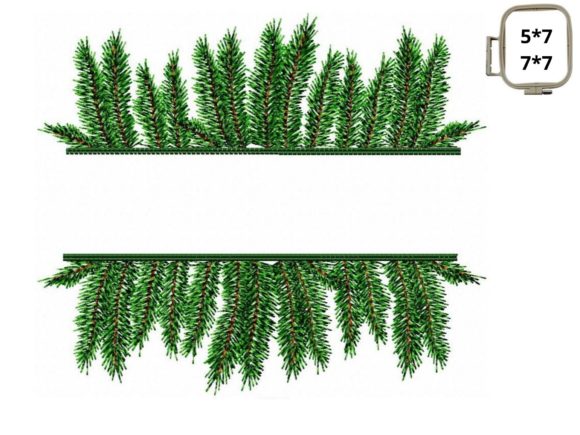
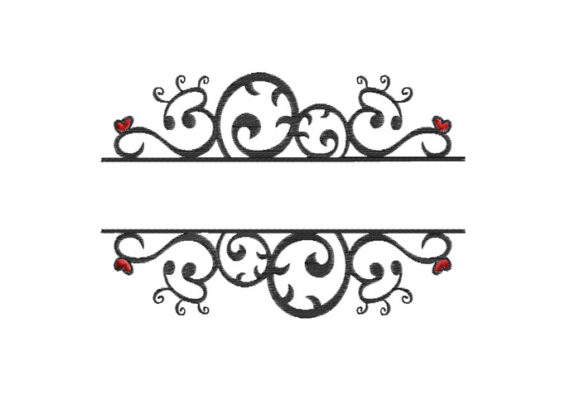
When I opened Frame for the first time, I felt that quiet excitement—the kind you get when a design doesn’t just look pretty on screen, but *feels* like it belongs in someone’s holiday home. It’s not loud or gimmicky. Instead, Frame carries a soft, elegant mood—cozy yet refined, nostalgic without leaning into kitsch. The border style balances delicate line work with subtle texture, making it equally at home on a linen tea towel as it is on a velvet pillow cover. It reads as premium, not mass-produced—a critical nuance when your customers are choosing handmade gifts over big-box alternatives.
Real-World Holiday Use: Where Frame Shines Brightest
I tested Frame across eight seasonal product categories—and it delivered consistently. On sweatshirt embroidery, it wraps beautifully around crewneck hems or cuffs, adding polish without overwhelming the garment. As a tote bag design, it anchors the bottom corner with quiet confidence, especially when paired with a simple monogram or seasonal phrase inside the border. For kitchen towel embroidery, the clean outer edge holds up well after repeated washing, and its balanced stitch density prevents puckering on terry cloth.
As a pillow cover border, Frame frames appliquéd initials or small motifs with intention—not distraction. On ornaments and embroidered patches, it scales down gracefully (more on sizing below), lending heirloom quality to tiny finished products. I even used it as a subtle rim on baby onesies and aprons—soft enough for sensitive skin, structured enough to read clearly in social media previews. And because it’s a true border, it plays exceptionally well in gift bundles: pair it with coordinating holiday embroidery files for table linens, napkins, and matching oven mitts. That visual consistency builds brand recognition fast—especially for Etsy sellers launching limited-edition collections.
Where to Use Frame Thoughtfully—Not Everywhere
Like any strong seasonal embroidery, Frame isn’t universally plug-and-play. Its detail level means it needs breathing room. Avoid using it on curved caps or tight-fitting baby hats unless you’ve confirmed the hoop size fits comfortably and the design has been digitized for stretch recovery. On thick towels or heavy canvas, test stabilizer layers first—medium-cutaway works best for long-term durability. Dark fabric? Always test thread colors: what reads as warm gold on white may disappear on navy unless you swap to metallic or high-contrast matte thread.
Don’t force Frame into tiny hoops under 4x4 inches without reviewing the smallest elements—some flourishes may lose clarity. And while it handles most fabric textures beautifully, avoid it on highly stretchy knits (like lightweight jersey) unless you’re using basting + tear-away + topping combo. Metallic thread adds glamour—but only if your machine handles it reliably. If you're new to metallics, run a sample before committing to 50 holiday sweatshirts.
How Frame Elevates Your Seasonal Strategy
Holiday shoppers don’t just buy products—they buy feeling. Frame supports that emotional exchange by signaling care, craftsmanship, and intention. When customers see this border on a personalized gift, they immediately register value—even before reading the description. That perception boosts perceived price point, encourages upsells (e.g., “Add a matching pillow cover”), and strengthens trust in your small shop product.
Visually, Frame gives your listings instant cohesion. Use it across your Etsy shop banners, printable mockups, and Instagram carousels—it becomes a quiet signature. That consistency matters during peak shopping periods, when scroll fatigue is real and visual recognition drives repeat clicks. And because it’s flexible across categories (apparel, home, accessories), it helps unify seasonal drops without forcing repetitive motifs.
Practical Designer Notes Before You Stitch
- Test thread colors on both light and dark fabric—especially if offering customizable options.
- Check stitch density before scaling; dense borders can stiffen delicate fabrics or cause shadowing on thin cotton.
- Confirm hoop size compatibility—don’t assume it fits your standard 5x7 unless verified.
- Use proper stabilizer: cutaway for knits and towels, tear-away for stable wovens, topping for textured surfaces like terry or linen.
- Create realistic mockups—not just flat digital renders, but draped fabric shots showing how the border flows on a real tote or pillow.
- Review small details after stitching, especially on high-contrast thread combos—tiny loops or jump stitches can snag on garments.
- Plan matching color palettes ahead of time—Frame pairs beautifully with muted sage, cream, rust, and charcoal for fall/winter, or sky blue and buttercream for spring celebrations.
- Confirm commercial licensing before selling finished products—this is non-negotiable for holiday sellers relying on digital embroidery files.
Final Thought: A Border That Builds Belonging
In a market flooded with flashy holiday embroidery, Frame stands out by doing less—yet meaning more. It doesn’t shout. It welcomes. It frames moments: a child’s first Christmas stocking, a grandmother’s favorite kitchen towel, a couple’s matching aprons on Thanksgiving morning. As a Borders category embroidery, it’s versatile. As a seasonal embroidery, it’s timeless. And as a machine embroidery design built for real production—not just pretty pixels—it earns its place in your holiday lineup.
If you’re curating for emotion, durability, and quiet sophistication, Frame isn’t just another file in your library. It’s the thoughtful edge your handmade gift collection has been waiting for.