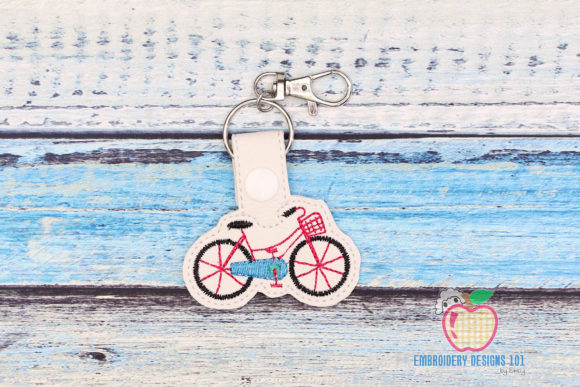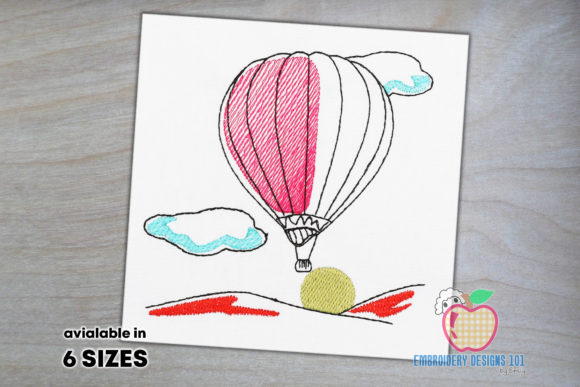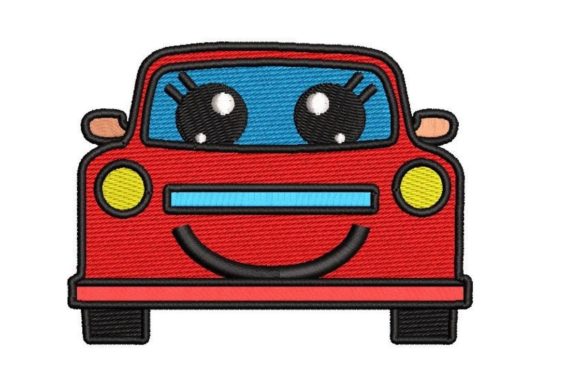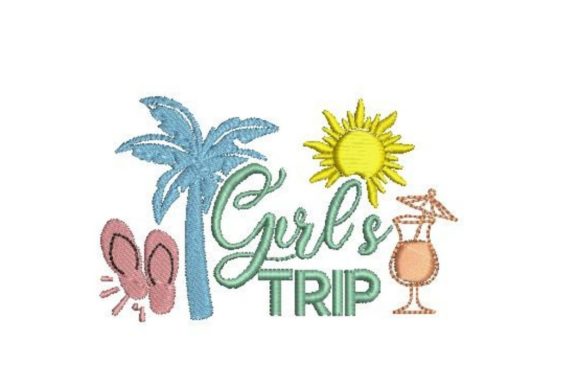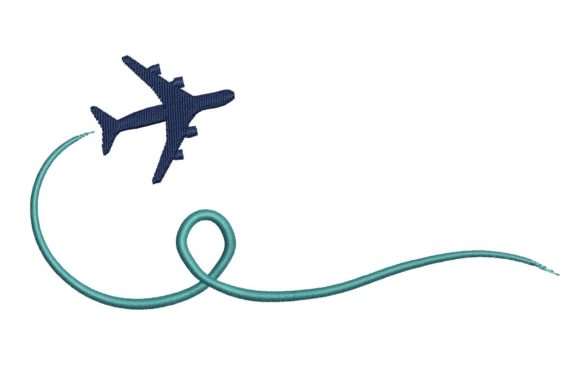
Trip Journey Flight Travel
A Practical Review for Small Business Merch & Branded Patches
As an embroidery designer who’s helped over 200 small businesses launch cohesive, production-ready branded merchandise—from café aprons to boutique tote bags—I’ve reviewed hundreds of digital embroidery files. When I first saw Trip Journey Flight Travel, my instinct was to pause: the title evokes movement, aspiration, and lightness—ideal for a creative studio, travel-themed shop, or artisan brand with wanderlust in its DNA. Based on the description—“a high-quality embroidery design that is fun and easy to stitch” and “elegant and gorgeous when stitched onto any fabric”—this isn’t just decorative flair. It’s built for real-world commercial embroidery use.
First Impression: Friendly, Modern, and Professionally Versatile
Trip Journey Flight Travel reads as intentionally upbeat yet refined—not cartoonish, not overly technical, and definitely not generic. In the Transportation category, many designs default to literal planes or compasses; this one suggests narrative instead: a journey, a transition, a personal or collective “trip.” That subtlety makes it unusually adaptable. A florist could use it on staff aprons to evoke “delivery with care”; a pet-sitting service might place it on embroidered patches for leashes or collars (“journeying with your pup”). Its tone supports handmade product storytelling without sacrificing polish—critical for customers scanning Etsy listings or boutique shelves.
Where It Shines in Real Business Applications
This machine embroidery design performs exceptionally well across key small business touchpoints:
- Embroidered patch: Clean outlines and balanced negative space allow crisp reproduction at 2.5"–3.5" sizes—perfect for iron-on or sew-on branding on tote bags, jackets, or product packaging.
- Apron embroidery: Positioned on chest or pocket, it adds personality without overwhelming utility. The “elegant and gorgeous” promise holds up on cotton drill and twill—fabrics commonly used in food service and retail.
- Cap embroidery: Works best on structured front panels (not curved back seams). Its moderate width and open letterforms avoid crowding—a common pitfall with travel-themed scripts.
- Tote bag design: Scales beautifully to 4"–5" wide on canvas or natural linen. Paired with minimalist thread colors (oatmeal + navy, charcoal + cream), it reinforces premium handmade positioning.
- Staff uniforms & custom apparel: Looks intentional—not like an afterthought logo. That builds brand identity consistency across roles (barista, stylist, workshop host) while feeling human-scaled.
Use With Intention: Where Caution Applies
Even strong embroidery files have boundaries. For Trip Journey Flight Travel, keep these practical limits in mind:
- Small patch sizes under 2": Test stitch density first. If the design includes fine line work or tight curves, readability may suffer—especially on textured fabric like canvas or fleece.
- Dark uniforms or heavy fabrics: The “elegant” effect relies partly on contrast. Always verify thread color choices (e.g., light gray on black can disappear; metallic silver adds pop but raises stitch density).
- Frequent-wash items: While described as “high-quality,” confirm stabilizer compatibility. A tear-away + cut-away combo often delivers durability for aprons or work shirts.
- Curved surfaces (like cap fronts): Preview how letter spacing flows across dome-shaped areas. Some fonts compress visually—Trip Journey Flight Travel avoids this, but always mock up before bulk production.
How It Strengthens Your Brand Identity—Beyond Aesthetics
For small businesses, every embroidered detail signals intention. Trip Journey Flight Travel doesn’t shout—it invites. That quiet confidence translates directly to customer trust: shoppers associate thoughtful design with trustworthy service. On an Etsy listing, it elevates perceived value—customers pay more for merch that feels curated, not mass-printed. Used consistently across aprons, tote bags, and event merch, it builds visual consistency without rigidity. And because it leans into narrative (“journey,” “flight”), it supports emotional connection—valuable for florists, therapists, educators, or studios building community, not just selling goods.
Pro Designer Notes Before You Stitch
Before committing to production, here’s what I do—and recommend you do—with any digital embroidery file:
- Test in black and white first: Eliminates color bias and reveals spacing, density, and legibility issues instantly.
- Check small patch viability: Resize to your target dimensions (e.g., 2.75") and inspect stitch paths—no floating threads or micro-details that vanish at scale.
- Review thread color contrast on your actual fabric swatch—not just screen mockups.
- Inspect letter and icon spacing: Tight kerning can cause thread nesting; generous spacing ensures breathability on woven fabrics.
- Confirm hoop size compatibility with your machine and intended placement (e.g., cap frames vs. flat hoops).
- Test on real fabric + stabilizer combo: Linen behaves differently than denim; always run a sample.
- Create a printable mockup for client approval—especially for wholesale or collaborative branding projects.
- Compare beside existing design assets: Does it harmonize with your logo, typography, and color palette—or create visual tension?
- Verify commercial licensing: Since this is intended for small business merch and commercial embroidery, ensure the license permits resale, distribution, and derivative use (e.g., as part of a larger product label).
In short: Trip Journey Flight Travel isn’t just another Embroidery file—it’s a flexible, narrative-driven asset that supports authenticity, professionalism, and repeat engagement. When executed with attention to fabric, thread, and context, it becomes more than decoration. It becomes part of your story—and your customers’ experience.