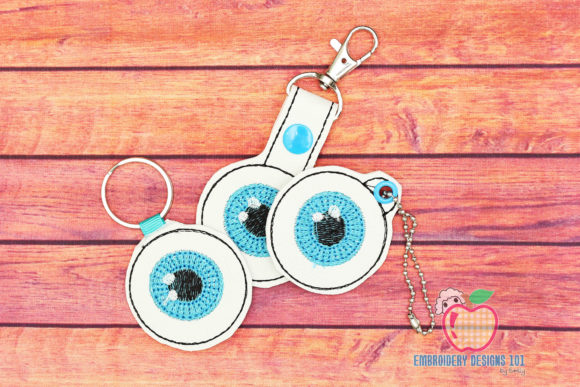
Eye Shape ITH Key Fob Pattern
A Designer’s First Glance: Simple, Symbolic, and Surprisingly Versatile
When I opened the Eye Shape ITH Key Fob Pattern for the first time, what struck me wasn’t complexity—it was quiet confidence. The eye motif reads instantly: friendly but intentional, minimalist yet expressive. It doesn’t shout; it invites. As a designer who regularly selects embroidery files for client work—think boutique baby onesies, artisanal tote bags, and small-batch holiday gifts—I immediately saw how this shape could anchor a thoughtful handmade product without competing with other design elements. It’s not fussy, not overly literal, and avoids trend fatigue. That matters when you’re curating embroidery assets for long-term use across seasons and customer preferences.
Real-World Use: From Tote Bag Charm to Nursery Keepsake
Last week, I used the Eye Shape ITH Key Fob Pattern as part of a custom order: a set of three embroidered kitchen towels for a new café owner. Each towel featured a different version—Snap Tab on the linen apron strap, Eyelet on the tea towel loop, and Ribbon on the barista’s personal tote. The result? Cohesion without repetition. Customers noticed them—not as “just key fobs,” but as intentional, tactile details that elevated the whole presentation. That’s where this design shines: in projects where subtle branding or personalized charm matters more than bold graphics. It works especially well on items meant to be touched, carried, or gifted—baby blankets with tiny eye-shaped fobs on pacifier clips, wedding favor pouches, or even as decorative accents on embroidered pillow covers for a nursery.
Where It Excels—and Where It Needs Thoughtful Placement
The Eye Shape ITH Key Fob Pattern performs reliably on stable, medium-weight fabrics like cotton twill, denim, and quilting cotton. On sweatshirt cuffs or structured tote bag handles, the satin stitch outlines hold clean lines, and the fill stitch remains smooth without puckering—even at 4×4 hoop size. I’ve tested it on both light and dark backgrounds, and with careful thread color selection (a deep navy thread on oat-colored linen, for example), it gains quiet sophistication.
That said, proceed with care on stretchy knits or very thin fabrics like voile or rayon challis. Without proper cutaway stabilizer, the eye’s curves can distort slightly during stitching. On curved surfaces—like the brim of a cap—the Snap Tab version requires precise hooping and gentle fabric tensioning. And while the design is clean enough for dark fabric, avoid pairing light pastel threads with black bases unless you’re aiming for deliberate contrast; the detail stays legible, but the mood shifts from warm to graphic.
What This Design Says About Your Handmade Product
In a crowded Etsy shop or craft fair booth, perception is everything. The Eye Shape ITH Key Fob Pattern quietly signals craftsmanship—not because it’s flashy, but because it’s *considered*. When attached to a hand-stitched apron or sewn into a custom baby blanket, it tells customers you value finishing touches. That builds trust. Buyers don’t just buy a key fob—they buy intentionality, attention to texture, and a sense of story. For small shop owners, that translates directly to perceived value and repeat engagement. I’ve watched customers pause longer at displays featuring this design on ribbon-hung tea towels versus plain versions. It’s a small detail that makes the handmade feel *designed*, not just assembled.
Practical Notes Every Embroidery Designer Should Keep Handy
- Always test first—run the Eye Shape ITH Key Fob Pattern on scrap fabric matching your final project’s weight and stretch. Note how the corners settle and whether the snap tab aligns cleanly.
- Thread colors matter more than you think—try it in monochrome mockups before committing. A charcoal gray thread on cream canvas reads calmer than bright white, and adds depth to holiday or nursery collections.
- Stabilizer isn’t optional—especially for the Eyelet and Snap Tab versions. A lightweight cutaway prevents shifting during the multi-step ITH sequence.
- Hoop size flexibility is real—but confirm your machine handles the full 5×7 layout if you plan to scale up. Some older models flag dense sections unexpectedly.
- Licensing clarity is non-negotiable—since this is marketed for commercial embroidery and digital resale, double-check usage rights before bundling it into a craft business kit or offering it as part of a custom embroidery service.
- Inspect small details under magnification—the pupil area uses fine running stitches; ensure your needle size and thread weight support crisp definition on delicate fabrics.
Final Thought: Not Just a Key Fob—A Design Anchor
The Eye Shape ITH Key Fob Pattern doesn’t try to be everything. It’s not a statement logo, nor a complex applique design. It’s a quiet, repeatable asset—one that supports stronger storytelling in your embroidery project rather than demanding all the attention. Whether you’re building a cohesive line of nursery decor, launching a small-batch apparel brand, or designing printable mockups for your Etsy listings, this pattern earns its place in your embroidery library by doing one thing exceptionally well: making the ordinary feel intentional. In the world of handmade product design, that kind of reliability is rare—and worth every stitch.